Home Young Forest & Shrubland

A fresh way to create wildlife habitat

Top Menu

  • Why Young Forest
  • How to Create Young Forest

Main navigation

  • Home
  • About
  • Wildlife
  • Projects
  • Partners
  • Resources
  • News
  • Search

Top Menu

  • Why Young Forest
  • How to Create Young Forest
Image
Yellow Warbler
Tom Berriman
A fresh way to create wildlife habitat

young

Forest

Why we need young forest

Young forest and shrubland are in short supply. As Eastern forests age, we need to make some younger habitat in key places to provide essential food and cover for certain species of wildlife whose numbers are dwindling.

It's really early successional habitat
Fresh growth = flourishing wildlife
Want to make some young forest?
Learn Why

How to create young forest

Landowners and conservationists are making this special habitat using techniques that mimic natural disturbances, giving rise to small trees, shrubs, wildflowers, and grasses. Wildlife depends on such diversity to thrive.

The right techniques for the task
See more wildlife in your woods
Making young forest in an era of climate change
Learn How

Wildlife Needs Young Trees and Native Shrubs
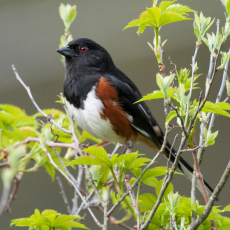
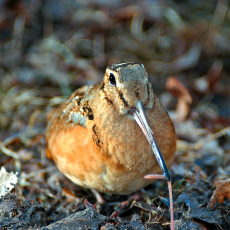
Photo of a woodcock feeding
American woodcock
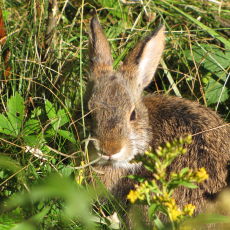
Photo of a New England cottontail in young forest habitat
New England cottontail
image of eastern towhee
Birds
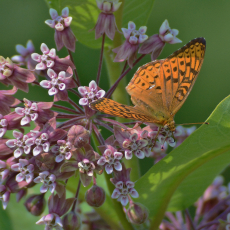
Photo of a Greatm Spangled Fritillary butterfly on a milkweed flower
Pollinators
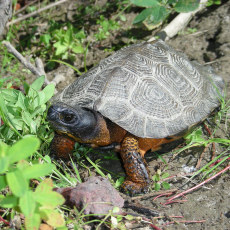
image of wood turtle
Turtles
View More Wildlife >

Latest News

image of eastern box turtle
news
Can science help bring back the box turtle?
Learn about box turtles from a Q&A with a field researcher

"We want to understand when and where turtles are moving in part so we can advise landowners on how to avoid accidentally killing the turtles."

image of golden-winged warbler
news
NFWF grant to restore Appalachian oak-pine forests
Funding will connect researchers, practitioners, and landowners

More than $450,000 is earmarked for oak-pine forest restoration on public and private lands in North Carolina, Kentucky, and Tennessee.

spruce grouse in habitat
news
New York brings spruce grouse back in the Adirondacks
More than 1,000 birds released since 2013

Since 2013, biologists with the New York State Department of Environmental Conservation have released more than a thousand spruce grouse to restart and strengthen a population of this rare bird in the Adirondack region.

View All News >

Find a Habitat Project Near You

Federal and state agencies, conservation and wildlife organizations, land trusts, towns and municipalities, and private landowners (both large and small) are creating important young forest and shrubland to help northeastern wildlife. Many areas are open to visitors who want to get a "feel" for this special habitat.

Partners Creating Young Forests and Shrubland

U.S. Fish and Wildlife Service logo
U.S. Fish and Wildlife Service
USDA Logo
USDA Natural Resources Conservation Service
logo for Northeast Association of Fish and Wildlife Agencies
Northeast Association of Fish and Wildlife Agencies
NFWF logo
National Fish and Wildlife Foundation
Logo for Wildlife and Sport Fish Restoration program.
Wildlife and Sport Fish Restoration Program
Wildlife Management Institute - established in 1911 - logo, seal
Wildlife Management Institute
View More Partners >

National Forest in North Carolina to create young forest habitat

Healthier forests mean cleaner water and better habitat for everything from salamanders to bats

Strategically harvesting trees and planting other native trees preferred by wildlife are part of an 800-acre management project planned for a national forest in North Carolina.

New England cottontails flourish on a Massachusetts island

It’s a Bunny Paradise

Biologists released 13 rare New England cottontails on Noman’s Land Island in 2019. Now, around 400 of the rabbits roam the 600-acre island off the Massachusetts coast.

Controlled burns for private lands?

Study finds landowners are open to prescribed burns

Research by Penn State scientists suggests that owners of private lands are open to using prescribed burns to manage their forested acres.

image of New England Cottontail Initiative logo
New England Cottontail Conservation Initiative
Subscribe to

Home

Young Forest & Shrubland

A fresh way to create wildlife habitat

For Partners

  • About the Young Forest Initiative